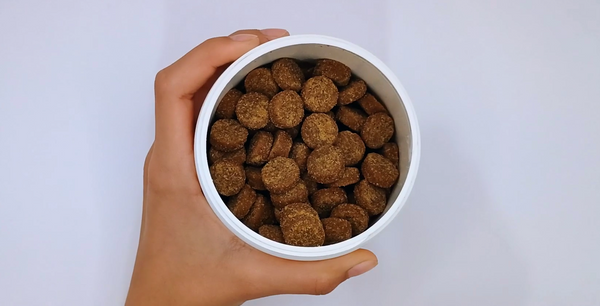

Pre-pregnancy
Prepare the dam physically and nutritionally for pregnancy. Begin veterinarian-approved prenatal support before the heat cycle so key nutrients are available from fertilization onward.
Shop Prenatal Vitamins →
Makondo Pets Veterinary Guide
A comprehensive veterinary guide to canine pregnancy and neonatal care.

Introduction
The journey into canine parenthood is among the most profound experiences a person can share with their companion. It is a transition marked by a delicate shift from being a primary caregiver to becoming a guardian of a burgeoning family.
This period, characterized by the extraordinary transformation of a beloved dog into a nurturing mother, requires a blend of tender emotional support and rigorous clinical oversight.
Guided by the expertise of Dr. Sebastian Arciniegas and the veterinary team at Makondo Pets, this guide serves as a roadmap for navigating the complexities of canine reproduction. It bridges advanced veterinary science and compassionate care at home so the miracle of birth is supported by high standards of nutritional and medical care.

Motherhood & Early Life Care
Makondo Pets' Motherhood & Early Life Care line supports dogs from pre-pregnancy and pregnancy through postnatal recovery, lactation, weaning, and early puppy development with veterinarian-formulated daily support.

Prepare the dam physically and nutritionally for pregnancy. Begin veterinarian-approved prenatal support before the heat cycle so key nutrients are available from fertilization onward.
Shop Prenatal Vitamins →Support maternal wellness and fetal development with balanced nutrition, prenatal vitamins, appropriate calories, veterinary monitoring, and a calm environment.
Shop Multivitamin Prenatal →Provide the vitamins, minerals, hydration, calories, and digestive support needed for milk production and post-whelping recovery.
Shop Postnatal Support →Help puppies transition through weaning and environmental changes. Probiotics can support digestive and immune function during early development.
Shop Puppy Probiotics →Guide menu
Chapter 1
The success of a pregnancy is often determined long before the first signs of a heat cycle appear. A healthy litter begins with maternal wellness and genetic foresight. This is a period of mindful preparation to ensure the dam is physically, nutritionally, and emotionally ready for the journey ahead.
Choosing the right sire affects the health, temperament, and longevity of future puppies. Genetic compatibility should take priority over appearance. A pedigree can reveal inherited strengths and vulnerabilities, while behavioral stability is also important because traits such as nervousness or aggression may be passed to the litter.
Health screening is non-negotiable. Both the dam and sire should be evaluated for breed-specific conditions such as hip dysplasia, cardiac anomalies, and progressive retinal atrophy, with DNA testing or other veterinary screening when appropriate.

| Criterion | Clinical significance | Desired outcome |
|---|---|---|
| Genetic health screening | Identifies recessive markers for breed-specific diseases. | Prevention of hereditary conditions such as hip dysplasia. |
| Temperament assessment | Evaluates behavioral stability and social confidence. | Puppies with balanced, predictable personalities. |
| Pedigree analysis | Tracks traits across multiple generations. | Reinforcement of desired breed qualities and health history. |
| Fertility documentation | Confirms the sire's ability to produce viable sperm. | Increased probability of a successful, healthy litter size. |
Before breeding, the dam should be in ideal physical condition. Veterinary teams use a Body Condition Score (BCS). An ideal dog has ribs that are easily felt but not visible and a defined waist. Being underweight can increase the risk of low birth weight and neonatal hypoglycemia, while excess weight can contribute to smaller litters and labor complications such as dystocia.
Folic Acid (Vitamin B9) supports early cellular division and neural tube formation. Beginning a veterinarian-approved prenatal regimen before the heat cycle helps create a nutrient-rich environment from the time of fertilization.
Explore Prenatal VitaminsChapter 2
The female dog's reproductive cycle, or estrus, is a finely tuned hormonal process. A dog commonly enters “season” about twice a year, although timing can vary by breed and individual health. Understanding each phase helps with breeding timing and a lower-stress experience.
Veterinarians can measure progesterone in the blood to estimate the time of ovulation. This helps identify the fertile window, reduces guesswork, and can limit repeated matings that may be stressful for both dogs.

| Phase | Average duration | Key signs |
|---|---|---|
| Proestrus | 7-10 days | Swollen vulva, bloody discharge, attracts males but rejects mating. |
| Estrus | 5-14 days | Lighter or straw-colored discharge, “flagging” behavior, receptive to mating; ovulation occurs during this fertile phase. |
| Diestrus | 60-90 days | Progesterone remains elevated; the body supports a pregnancy or gradually returns to a resting state. |
| Anestrus | 4-5 months | Resting period with no outward reproductive activity. |
Chapter 3
It is common practice to bring the female to the male's familiar environment so he is comfortable and focused. The mating area should be quiet, clean, and free from distractions. A calm introduction gives the pair time to sniff, play, and become comfortable before breeding.
During mating, the bulbus glandis at the base of the male's penis swells while the female's vaginal muscles contract, temporarily locking the dogs together. A copulatory tie may last from about 5 to 60 minutes.

Chapter 4
Canine pregnancy lasts an average of about 63 days. During the first three weeks, foundational structures develop at a microscopic level even though the dam may show few outward signs.
After successful mating, fertilization occurs in the oviducts and the embryos begin traveling toward the uterus. The dam usually behaves normally with regular appetite and energy.
The embryos enter the uterine horns and space themselves along the uterus. Subtle hormonal changes may appear, including increased affection, mild nausea, reduced appetite, or a quieter demeanor.
By the end of the third week, embryos implant into the uterine lining and begin drawing nutrients from the mother's blood. The nervous system begins its critical early development. Slight abdominal rounding, increased sleep, or a calmer demeanor may appear.

Chapter 5
Around days 28-35, a veterinarian may confirm pregnancy by abdominal palpation or ultrasound. Ultrasound can reveal fetal heartbeats and help assess viability.
Internal organs continue to mature, cartilage begins to form firmer bone, and facial features, paws, and tiny claws develop. The dam's abdomen may round and her nipples may darken and become more prominent.
Energy requirements increase as fetal growth accelerates. The guide recommends increasing food gradually from this point to delivery, under veterinary guidance, and offering smaller meals as abdominal space becomes limited.

A veterinarian may recommend a high-quality, energy-dense diet such as a premium puppy formula. Three or four smaller meals can help the dam meet nutritional needs without becoming uncomfortably full.
High-quality protein supports tissue growth; DHA and EPA support brain and eye development; calcium and phosphorus contribute to bones and teeth; balanced calories support both the dam and litter.
Calorie changes should be individualized with the dog's veterinarian based on breed, body condition, litter size, and diet.
Chapter 6
The litter gains much of its birth weight during the final three weeks, while the dog parent prepares the whelping space and closely monitors the dam.
Fetal bones calcify rapidly. The dam may begin nesting by looking for quiet corners or scratching at bedding.
The abdomen is enlarged and puppies may be seen or gently felt moving. Mammary glands are developed and may begin producing colostrum, which provides antibodies to newborns.
The dam may become restless and may stop eating within about 24 hours of labor. Finalize the whelping area and begin close observation.

| Pregnancy day | Development | Parent action |
|---|---|---|
| Day 45-50 | Fetal skeletons begin to calcify. | Transition to three smaller meals per day when advised. |
| Day 55-58 | Puppies grow fur and approach full size. | Finalize the whelping area and introduce the dam to it. |
| Day 60-63 | Lungs reach maturity; birth is imminent. | Monitor rectal temperature twice daily as directed by your veterinarian. |
Supports cell division, immunity, and skin health.
Supports red blood-cell production as maternal blood volume expands.
Supports calcium absorption and bone development.
Chapter 7
The whelping box is the delivery space and the puppies' home during their first critical month. It should be secure, warm, clean, and easy for the mother to enter and leave.
The box should allow the dam to stretch out fully with room to spare—generally about 1.5 to 2 times her body length. A “pig rail” or puppy rail positioned roughly 3 to 4 inches above the floor along the inside walls creates a refuge for puppies if the mother rolls toward the wall.
Newborn puppies cannot regulate body temperature well and can chill quickly. Keep the room draft-free. During the first week, the guide recommends maintaining approximately 85-90°F in one half of the box while preserving a cooler half so the mother and puppies can move away from heat.
Use clean, washable, non-slip bedding. Replace wet or soiled material promptly, wash hands before handling puppies, and keep supplies such as towels, absorbent liners, a digital thermometer, and a precise scale nearby.

Chapter 8
During the final week, the guide recommends taking the dam's rectal temperature twice daily at consistent times. A drop below about 100°F (37.7°C), often into the 98-99°F range, can precede labor by approximately 12-24 hours. Follow your veterinarian's instructions for monitoring.
As the estimated 63-day mark approaches, provide a quiet environment and record important observations. Most mothers do best with calm support rather than constant handling or crowding.

| Stage | What's happening | Typical duration | What you may see | Your role |
|---|---|---|---|---|
| Stage I: Preparation | Cervix dilates and the uterus begins contracting. | 6-24 hours | Restlessness, panting, shivering, refusal of food, nesting. | Provide quiet surroundings and emotional support. |
| Stage II: The Arrival | Active pushing and puppy delivery. | Often 30-60 minutes between puppies; the guide flags prolonged strong straining. | Strong contractions; puppies are born in amniotic sacs. | If the dam does not open a sac promptly, clear the face and rub the puppy with a clean warm towel while seeking veterinary guidance. Tie or cut cords only if necessary and if you have been instructed how. |
| Stage III: The Placenta | A placenta is delivered after a puppy, or occasionally after two puppies. | Often 5-15 minutes after a puppy | The dam may eat a placenta; some bleeding can be normal. | Count placentas and ensure they are passed. The guide advises limiting placenta consumption to one or two to reduce vomiting or diarrhea. |
Chapter 9
After the final puppy is born, lactation creates intense metabolic demand. Milk production requires substantial calories, protein, fat, water, vitamins, and minerals.
A nursing mother with a large litter may need substantially more calories than normal—sometimes up to four times her maintenance intake at peak lactation. A veterinarian may recommend a nutrient-dense puppy food offered in frequent meals or by free-choice feeding, depending on the dog and diet.
Hydration is critical because milk is primarily water. Keep several bowls of fresh water close to the whelping area so the mother can drink without leaving the puppies for long.
Calcium and phosphorus support milk production and skeletal health, while Vitamin D assists mineral absorption. Magnesium supports muscle function; Iron supports red blood-cell production after delivery; Vitamins B2 and B12 support energy metabolism; and Vitamin E contributes antioxidant and immune support.
Explore Postnatal Support
Chapter 10
During the first four weeks, puppies move from complete dependence to early mobility, sensory awareness, social play, and the beginning of weaning.
Puppies cannot see or hear and move mainly by crawling toward warmth and milk. They use the rooting reflex to locate a nipple. Daily weight gain is one of the best indicators of health. The guide states that puppies should gain approximately 5-10% of body weight per day and roughly double birth weight by the end of the second week.
Constant crying, chilling, weakness, poor nursing, or failure to gain weight can signal a serious problem such as fading puppy syndrome and requires immediate veterinary attention.
Eyes generally begin opening around days 10-14, although vision is initially blurry. Ears open later, puppies begin reacting to sound, take wobbly steps, make early vocalizations, and gradually eliminate without maternal stimulation.
Coordination improves and littermates begin active play, including early lessons in bite inhibition. Introduce a puppy mush made from high-quality puppy food and warm water while mother's milk remains an important source of nutrition.

| Puppy age | Sensory development | Behavioral milestone | Developmental goal |
|---|---|---|---|
| 0-7 days | Touch and taste only. | Completely dependent on mother for warmth, nursing, and waste elimination. | Stabilize temperature and gain weight consistently. |
| 10-14 days | Eyes begin to open. | First attempts to stand on wobbly legs. | Begin basic visual tracking. |
| About 21 days | Hearing begins to function. | First barks and play-fighting with littermates. | Develop social cues and auditory responses. |
| About 28 days | Sight and hearing are functioning. | Soft gruel is introduced and weaning begins. | Start the transition toward nutritional independence. |
Chapter 11
The vitamins, minerals, fatty acids, and beneficial bacteria consumed by the nursing mother can influence the nutritional profile of her milk. Supplement use should always be coordinated with the veterinarian and the complete diet to avoid excesses or imbalances.
Fish oil can provide DHA, an omega-3 fatty acid used in the development of the brain, central nervous system, and retinal tissue.
Folic Acid supports rapid cell production and normal development as puppies grow.
Probiotics may help support the mother's digestion during lactation and contribute beneficial microorganisms to the puppies' developing environment.
Explore Probiotics
Brain and eye development.
Cellular growth and immunity.
Digestive and immune support.
Immune support and healing.
Energy and overall wellness.
Chapter 12
The journey of canine pregnancy and neonatal care brings together maternal instinct, dedicated caregiving, and veterinary science. From selecting a healthy sire to watching a four-week-old puppy take its first wobbly steps, each decision can affect the health and happiness of the new family.
Under the guidance of Dr. Sebastian Arciniegas, Makondo Pets is committed to providing nutritional tools that support this journey. Veterinarian-formulated products can complement—not replace—a complete diet and direct veterinary care.
By understanding the biological needs of the mother and puppies, creating a nurturing and low-stress environment, and responding quickly to warning signs, dog parents can celebrate new life with the care it deserves.
Together, we empower dog parents with knowledge, clinical excellence, and premium nutrition to give every puppy the healthiest start to a happy, vibrant life.
Healthy moms. Strong puppies. Happy families.

Annexes
Chart 1
A pregnant dog's body temperature can help indicate approaching labor. Beginning around Day 55, record rectal temperature every morning and evening at consistent times using the same digital thermometer. Most healthy dogs are around 100-102°F (37.8-38.9°C); a drop often below 99°F (37.2°C) can occur approximately 12-24 hours before labor.
| Entry | Day 55 | 56 | 57 | 58 | 59 | 60 | 61 | 62 | 63 | 64 | 65 | |||||||||||
|---|---|---|---|---|---|---|---|---|---|---|---|---|---|---|---|---|---|---|---|---|---|---|
| AM | PM | AM | PM | AM | PM | AM | PM | AM | PM | AM | PM | AM | PM | AM | PM | AM | PM | AM | PM | AM | PM | |
| Temperature | ||||||||||||||||||||||
| Behavior / notes | ||||||||||||||||||||||
Chart 2
| # | Puppy name / ID | Collar color | Time of birth | Gender | Weight | Placenta | Position / marks | Notes |
|---|---|---|---|---|---|---|---|---|
| 1 | ||||||||
| 2 | ||||||||
| 3 | ||||||||
| 4 | ||||||||
| 5 | ||||||||
| 6 | ||||||||
| 7 | ||||||||
| 8 | ||||||||
| 9 | ||||||||
| 10 |
Assign each puppy a colored collar or temporary ID, record birth time and weight immediately, track placental delivery, note distinguishing marks, and document any observations such as weak nursing or assisted breathing. Accurate records help identify puppies needing additional support.
Chart 3
Weigh puppies at the same time every day with a precise digital gram scale, record birth weight immediately, and track each puppy individually through Day 15. Healthy puppies should gain consistently and approximately double birth weight by the end of the second week.
| Puppy color / ID | Birth | Day 2 | Day 3 | Day 4 | Day 5 | Day 6 | Day 7 | Day 8 | Day 9 | Day 10 | Day 11 | Day 12 | Day 13 | Day 14 | Day 15 |
|---|---|---|---|---|---|---|---|---|---|---|---|---|---|---|---|
| 1 | |||||||||||||||
| 2 | |||||||||||||||
| 3 | |||||||||||||||
| 4 | |||||||||||||||
| 5 | |||||||||||||||
| 6 | |||||||||||||||
| 7 | |||||||||||||||
| 8 | |||||||||||||||
| 9 | |||||||||||||||
| 10 |
More information
Explore veterinarian-formulated nutritional support for pregnancy, lactation, recovery, and early puppy development.